Mentorship’s dirty little secret 🤫
Hug and a high five vs. a swift kick in the rear
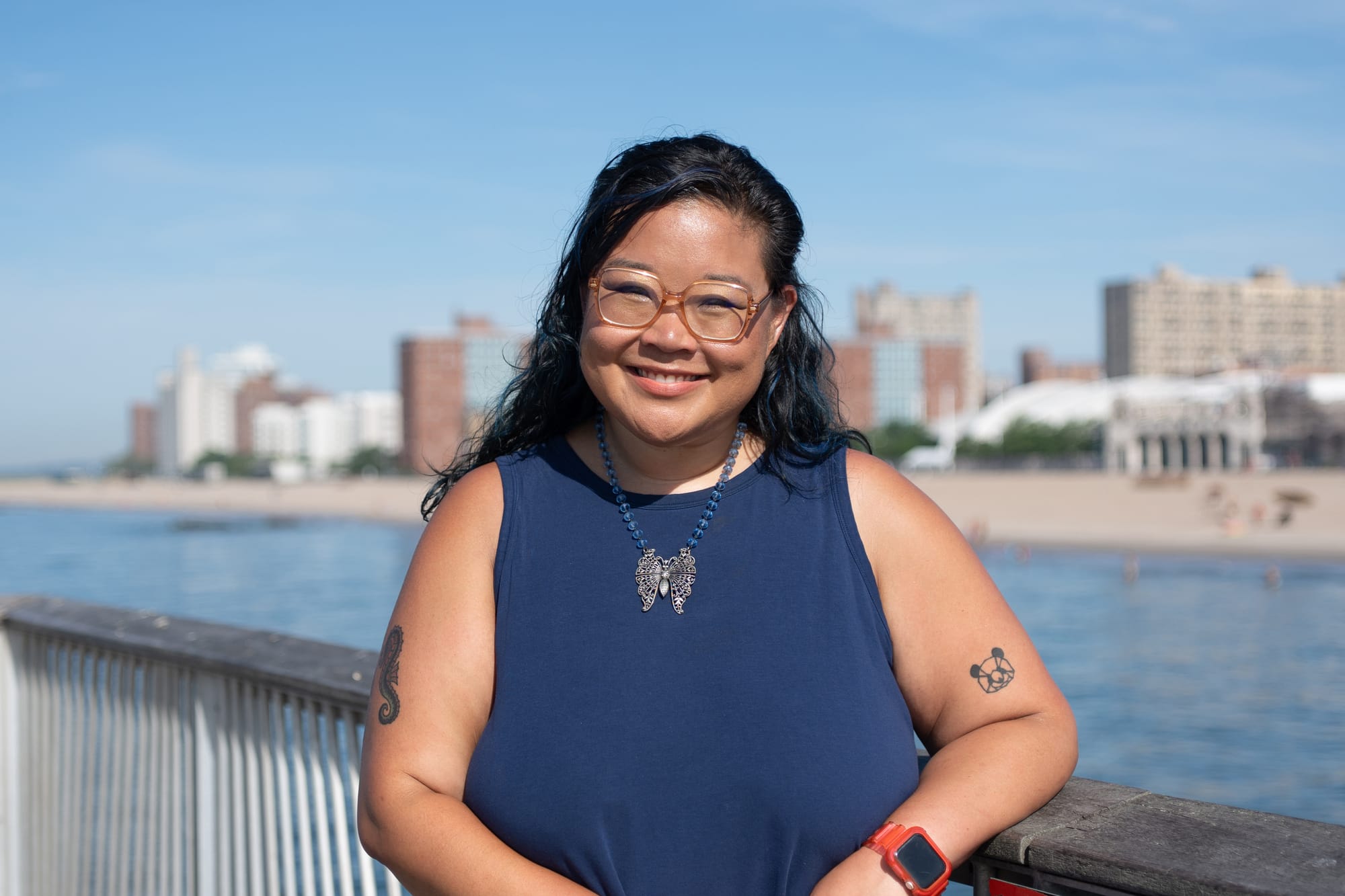
Today’s guest post is by Emma Carew Grovum, a brilliant advocate for improving working conditions for people in journalism. Highly recommend you give her a follow and learn more about her work below!
As you navigate your Career River, it can make progress, growth, and success feel out of reach — especially in times like these, where hiring is lean and candidates are losing faith.
Hopefully, you are going to someday become a vehicle for change. In order to get there, you must set aside time now to build in a number of lowkey on-ramps to find support for your work, your growth and your whole human self. This could be as a coach, an interpreter to the outside world, a para or classroom aide, etc.
For some, this means taking solace and building community among colleagues and teammates within a new team or company. For others, it might look like mostly practicing Horizontal Loyalty, or building a strong web of peers to cheer you on and grow with together. And others still might seek more of an advisory council model, with mentors and sponsors representing different aspects of their career and life.
But, I often get questions about the distinction between mentors and sponsors, and of course how to identify and secure these relationships. To start: Mentorship should feel like more of a hug and a high five from a beloved teacher, while sponsorship is more of a swift kick in the rear-end from a top-tier coach.
What makes a great mentor? I love to see folks who have passion for their work, deep expertise, and unyielding empathy for their mentees, or at least, an understanding and acknowledgement of how BAD things are right now on the journalism market and careers-wise.
Good mentors can help you recognize and diagnose your own gaps and growth areas, but they are also gifted in helping you identify and nurture your superpowers. They help you finally hit the next coaching and skills training goals you have. Mentors exist to guide a candidate and teach them agency, without pushing or forcing into a particular direction or predetermined pathway.
I talk a lot about and build recommended practices for formal and informal mentorship in journalism programs and newsrooms. The number one response I hear from folks is: How do I know I’m ready to be a mentor?
I’m here to let the dirty little secret out: ANYONE can be a mentor at ANY level of their experience and career.
In my mind, I hold mentorship and the next level of professional support, aka sponsorship, in two closely related but definitely separate buckets.
Mentorship is a practice, much like yoga or meditation. Everyone’s practice will slightly differ but there will be a common and foundational throughline for many or most. As a mentor, you work with the exact person and circumstances you find before you:
- How might you help this person succeed at the current tasks in their existing role?
- Can you help identify key moments in your mentee’s experience where they were already shining and make it applicable to their daily work?
- When your mentee feels stuck or otherwise negative or even burnt out, are there pep talks or inspiration you can bring to them?
- A mentor would probably take their mentee out to coffee to read over their resume and help them pick out clips for their job application.
The very best mentors help their mentee find confidence in their talents and skills, such that they are able to shine brightly in their current role or company. Mentors support and coach from the sidelines but help to make their candidate the best version of themselves, currently.
Meanwhile, sponsorship is more like having a guardian angel working on behalf of the candidate to push the ball forward. In this model, the sponsor is actively moving the needle for their person: calling in past favors to land an interview, spending their social or political capital solely to benefit the sponsee and their next move.
As I wrote previously for RJI: moving into sponsorship “can be a bit trickier, since it requires you to have some form of privilege or social capital to spend.” This means most folks can start with small but generous acts of sponsorship to help develop and support more junior colleagues. On the other hand, using an “ask-and-give” framework, anyone can be viewed and treated as though their gifts for good or evil are finite resources. If you’ve gotten advice on YOUR resume, go repeat that advice to a room full of students who didn’t or couldn’t come to the training. If you’ve made it to the finalist round of interviews, you can still give folks advice on what you did that worked to get you there
How do some mentors also act as sponsors?
- Passing a resume to hiring managers they know — especially with a personal note identifying them as a strong candidate for the role and most importantly — clearly explaining WHY they know the candidate could be a great fit.
- Helping them to find funding opportunities, such as stipends, scholarships, awards, fellowships, to ensure they are able to attend professional development training and conferences.
- Helping support the sponsee’s way to a training or development event by paying the registration fee, donating their paid-for badge, or even offering a free hotel stay with them!
- Practicing to prepare for an interview and giving tough but manageable feedback.
- Creating a stretch assignment, such as internally at work, so that the sponsee can progress in key growth areas — what might this look like??
So what will you do next?? Act as a mentor? A sponsor? A hybrid mashup of both??? Best of luck and I’d love to hear how it’s going.
Emma Carew Grovum is the founder of Kimbap Media and a partner at Media Bridge Partners, working on strategy projects that seek to improve current conditions or otherwise create a positive impact on journalists and others building the news ecosystem. This ranges from movement building and community engagement on behalf of communities like the Trans Journalists Association, the Asian American Journalists Association and the News Product Alliance to transformation of internal newsroom processes and protocols through a lens of both sustainability and creativity. Emma additionally coaches journalists (of all stripes) across many levels of experience to take control of their career narrative, focus and brush up their materials like cover letters and resumes, and help them land a better next role. She is based in Brooklyn (technically Coney Island) and is also married to a journalist.
Happy navigating,
Bridget