Motivation through meaning
Plus, a new book on full-time freelancing
📖 Book recommendation! If you’ve ever questioned whether the traditional career path is still the right fit, The Forever Freelancer offers a practical roadmap for building a career with more flexibility, autonomy, and financial resilience.
The new book, which just came out in paperback, e-book, and audiobook formats, weaves together extensive research, expert interviews, and author Satta Sarmah Hightower’s 12 years as a full-time freelancer to reframe freelancing from a risky stopgap to a viable long-term career. Satta has navigated her own Career River, transitioning from journalism to solopreneurship after back-to-back layoffs.
I especially appreciated her focus on how millennial women (oh, it's me!) can pursue both family and financial freedom. Her advice is concrete, actionable and backed by deep expertise.
If you’re weighing a career pivot, thinking about your next steps, and are interested in self-employment, The Forever Freelancer demystifies what it takes to build a successful solo business and design a career on your own terms.
Learn more about the book or order a copy here!
And now, on to today's post...
Yesterday marked a major milestone in a journey that started more than two years ago, when this email from Jennifer Brandel, my former boss, landed in my inbox:
"There’s no great segue to this next sentence but we just got a cancer diagnosis for (my toddler daughter),” she wrote, adding that the treatment plan was still being developed. “What I do know is that I’ll need to step back on everything this year — and will need to find a great person to help steward the work.”
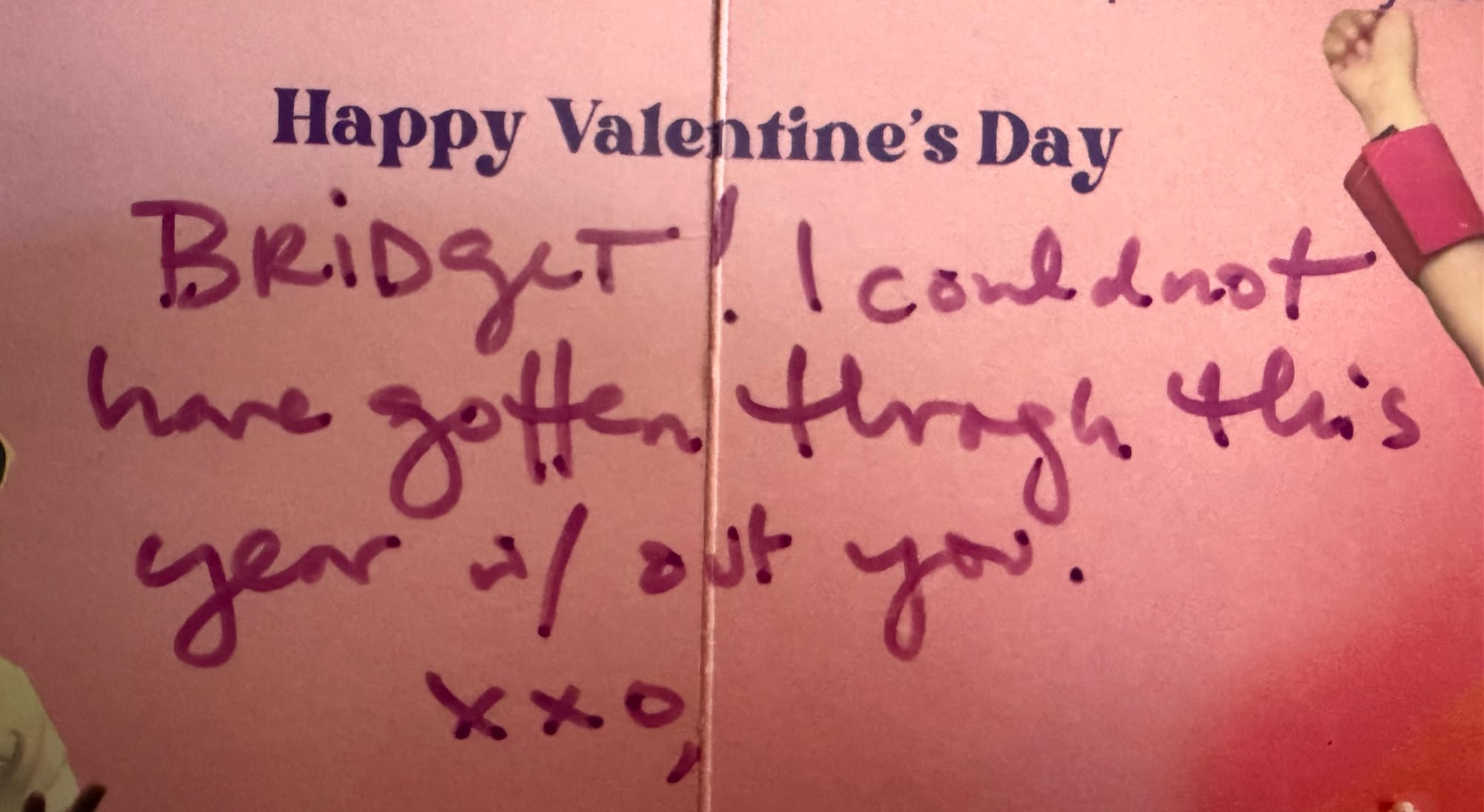
This was the start of the conversation that led to me becoming a "boomerang employee." The card I got the next year, full of pictures of this brave young girl and this note, means just as much (maybe more) than any award I've gotten:
What counts in our careers amounts to more than our paychecks or titles. Even though we've been trained to think of success in terms of salary and status, as it turns out, those don't truly motivate us.
Instead, psychologist Frederick Herzberg explains in this Harvard Business Review article, there are two groups of factors when it comes to job satisfaction. There are motivators, which stem from our need to achieve, and then factors that prevent dissatisfaction, which stem from “the built-in drive to avoid pain from the environment.” For example:
Motivators: Achievement, Recognition, Responsibility, Growth
Dissatisfaction avoiders: Work conditions, Salary, Status, Security.
When you think of your proudest professional moments, do they land as motivators? Or avoiders? My experience supporting Jenn showed me that sometimes what matters the most isn't necessarily listed on your resume.
A few weeks ago, she was featured on KQED's Perpectives series, sharing what she learned about presence and interdependence from navigating her daughter's cancer diagnosis:
Her cancer cracked open a new way of living — an unexpectedly better one. I think the whole world is being asked to learn the same lesson: when predictability dissolves, what remains is relationships to what’s alive, in front of us.
Her daughter's last day of chemo was yesterday.
Happy navigating,
Bridget
🛶 Career River Connection 🛶
Resources for making your next move